Airport Planning & Master Planning

The complexity of airport ecosystems excites us. We approach Airport Planning and Master Planning as an integrated exercise, covering the full spectrum of facilities from airside to landside. Our focus on efficiency, resilience, and stakeholder alignment ensures that we deliver custom made solutions for each airport that has its unique conditions.
Scroll to Top

Airport Master Planning

Airport master planning sets the long-term direction for how an airport grows and adapts over time. Our approach to master planning starts with working with the Clients to shape a coherent vision that aligns demand, capacity, land use, and investment phasing. We work across airside, terminal, landside, and support facilities to ensure every component fits together as part of a single, well-functioning system.
 
We believe that no two airports are the same. Each airport operates within a unique regional, economic, and regulatory context, and we understand these nuances well. Our master plans are flexible, allowing airports to respond to uncertainty, evolving airline strategies, and future technologies. The outcome is a clear roadmap that supports informed decision-making, protects long-term capacity, and enables sustainable airport development.

Airfield Planning

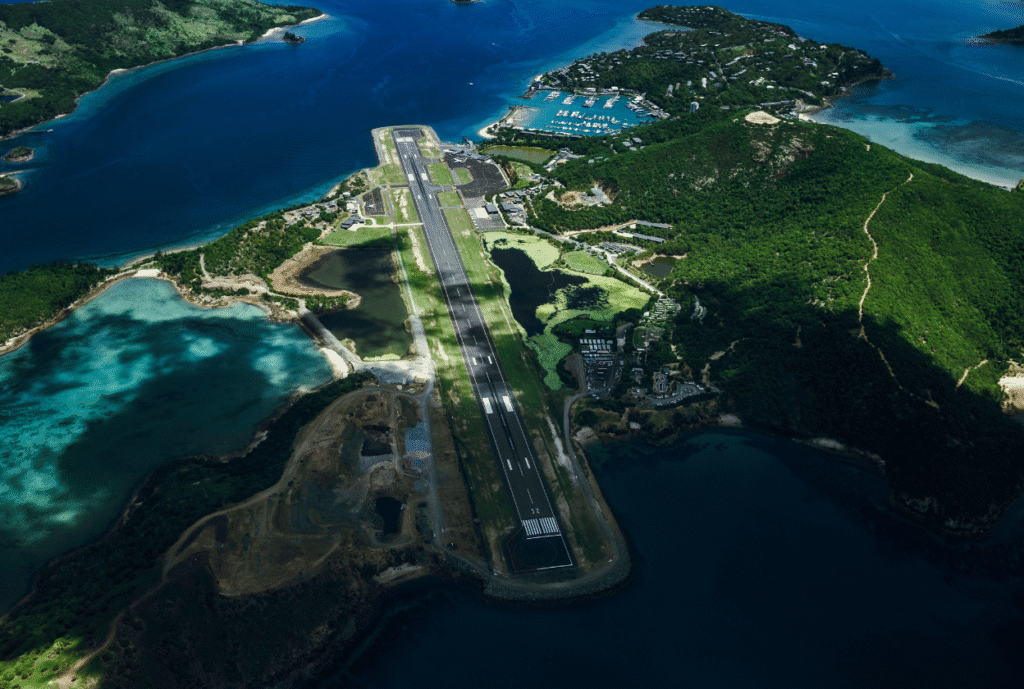
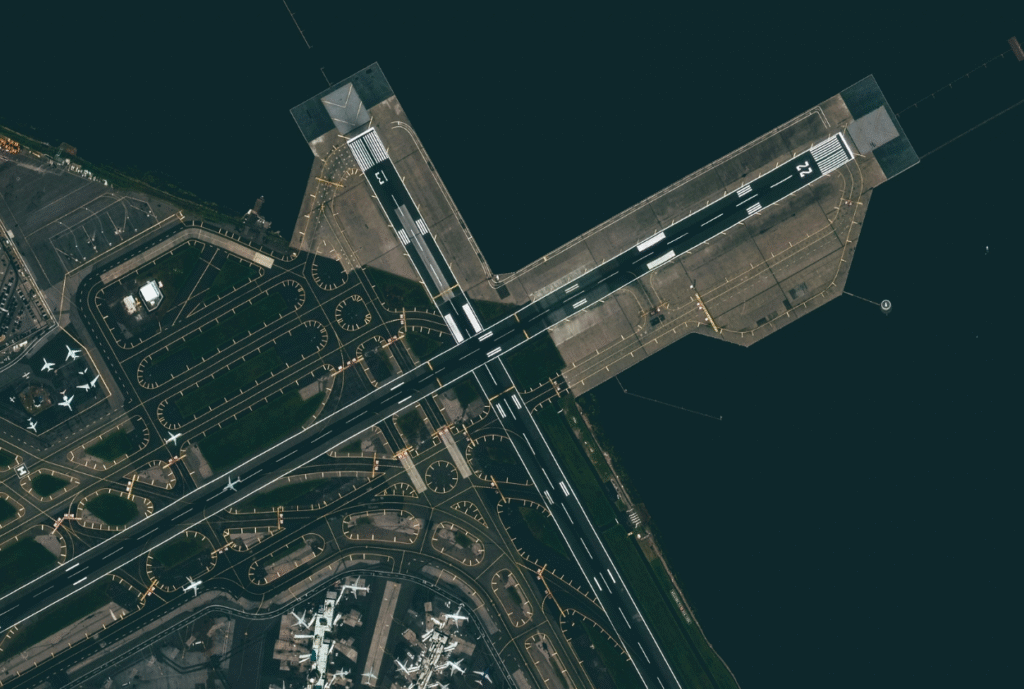
Airfield planning forms the backbone of safe, efficient, and resilient airport operations. Our expertise covers the end-to-end planning and configuration of critical airfield infrastructure—including runways, taxiways, aprons, and aircraft parking systems—along with the development of robust operational procedures that enhance capacity, safety, and efficiency.
 
Given that the airfield represents one of the most capital-intensive asset classes at an airport, we believe it must be planned with a long-term, systems-driven perspective. Our approach emphasizes flexibility for phased growth, adaptability to new technologies, and readiness for evolving aircraft fleets—from next-generation narrowbodies and widebodies to future concepts such as electric and hybrid aircraft. By integrating operational analysis, regulatory compliance, and future-proof design principles, we help airports maximize asset life, optimize performance, and protect long-term investment value.

Terminal Planning

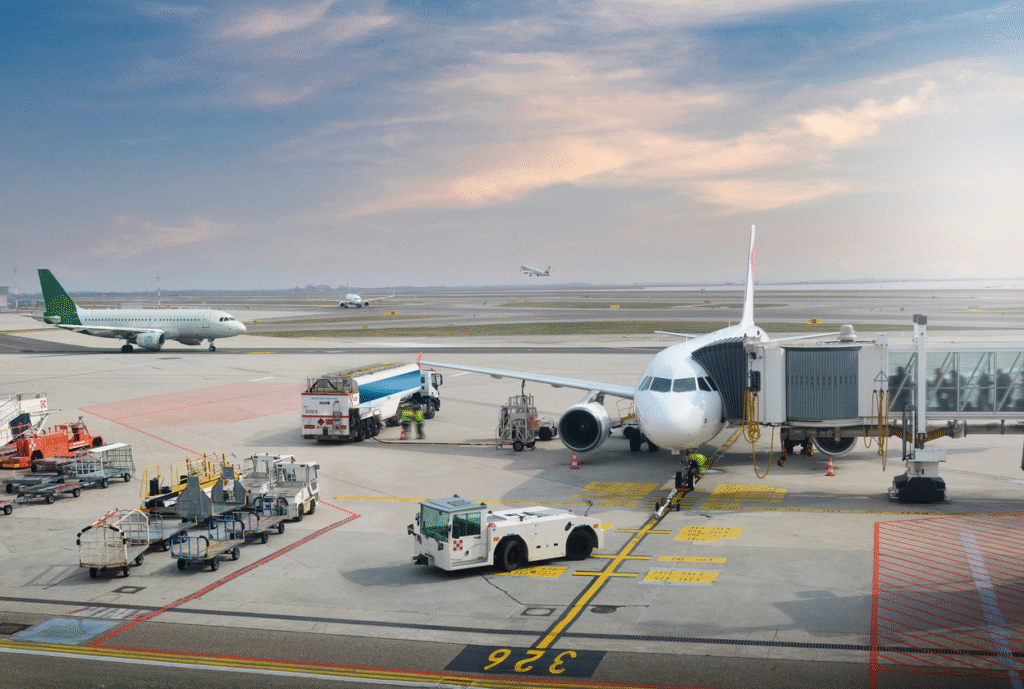
The terminal is where every journey begins, shaping first impressions and setting the mood for travel. Although our approach is grounded in data-driven analysis, we place equal emphasis on how passengers experience space. Functionality and comfort guide our planning, ensuring terminals work seamlessly and design feels intuitive for travelers. By applying industry best practices and standards we aim to strike the right balance between capacity and experience.

As a result, our work provides architects with a clear brief that enables them to create designs which maximize efficiency and passenger comfort, while giving them the freedom to translate those requirements into bold and iconic terminal forms.

Landside Planning

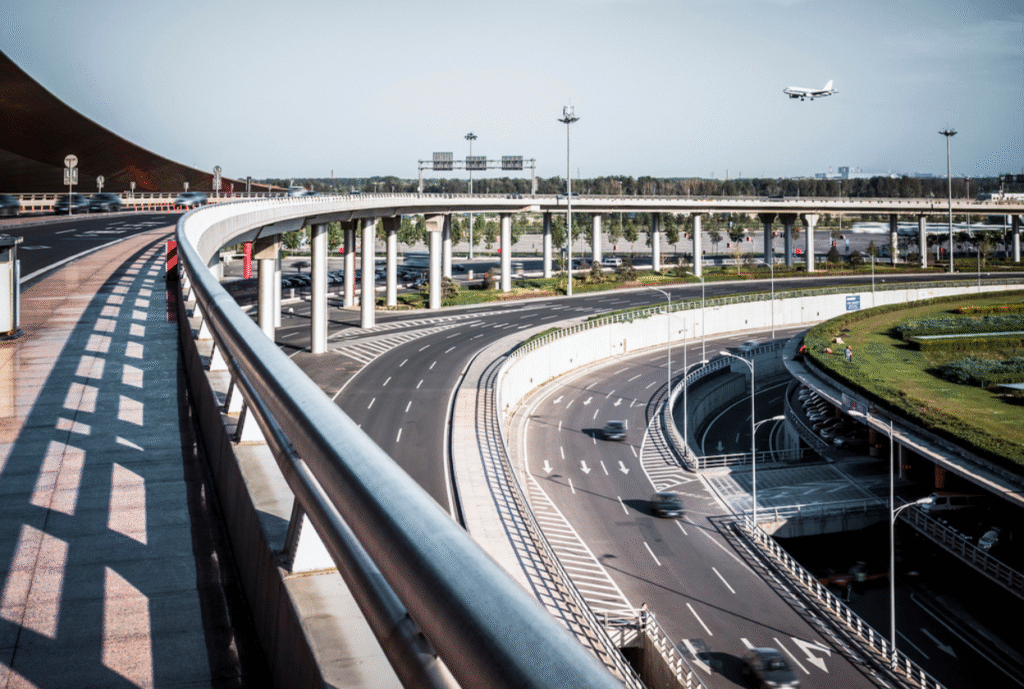
Landside planning is the critical link between the airport and its catchment it serves. We develop integrated, multimodal access strategies that enable passengers, employees, and cargo to move seamlessly to and from the airport. Our expertise covers a wide range from kerbside planning to roadway networks and parking facilities.

A key part of our approach to landside planning is stakeholder consultation that involves coordination with transport agencies, local authorities, and community stakeholders. This approach results in delivering design solutions that are not only technically sound but also practical, accepted, and implementable.

Cargo Planning

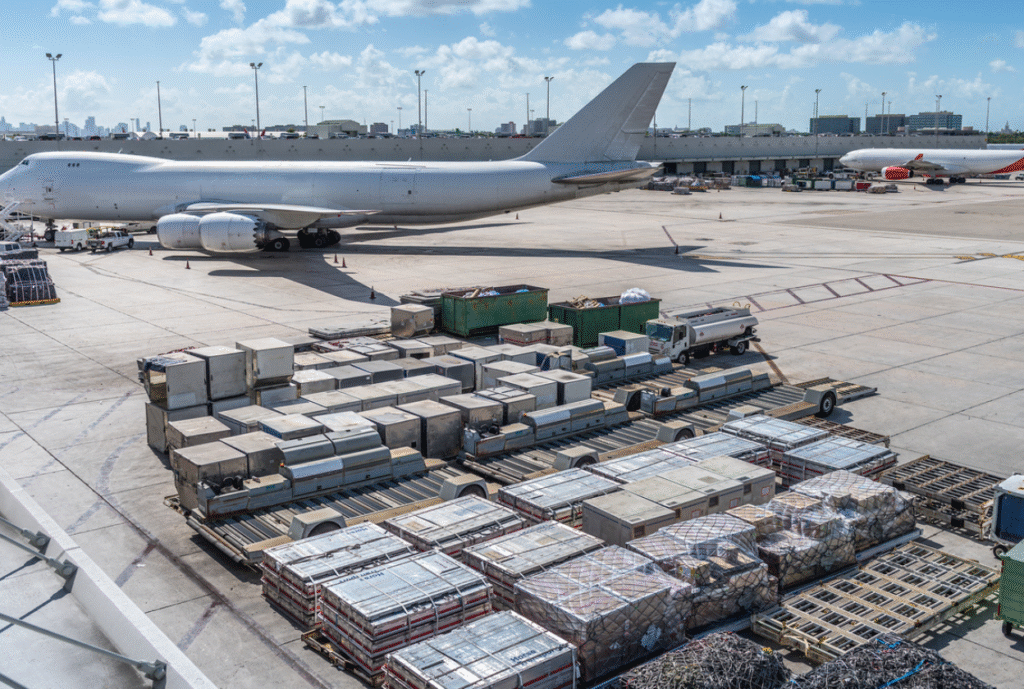
Air cargo is a key economic engine for airports and we recognize that there is no one-size-fits-all solution. Our cargo planning approach is tailored to the specific role an airport plays in the logistics ecosystem.

 
Our expertise spans the planning and design of all types of cargo facilities within an airport, including general cargo, express, perishables, pharmaceuticals, and specialized handling facilities. We take a system-level view that covers terminal layouts, airside and landside interfaces, truck circulation, and regulatory requirements. This enables us to create cargo facilities that are operationally efficient and capable of scaling as cargo markets and logistics models evolve.

Support Facilities
Planning

Support facilities are the unsung “minions” that keep everything moving in an airport. From cargo terminals and MRO hangars to fuel farms, fire stations, and utility systems, these facilities are essential to the airport’s performance and resilience.

Our expertise in planning these assets as integrated parts of the airport ecosystem comes from understanding of each of these facilities, their space and operational requirements.  These requirements are also unique to the airport and may require flexibility in planning. Our approach is to have a long-term view and optimize land use for locating and sizing the facilities. As a result, the airport ecosystem is not just efficient and cost-effective but also future ready.

Terminal Simulation

Passenger terminals are dynamic environments where efficiency, safety, and passenger experience intersect. Terminal simulation provides airports with a risk-free platform to analyze flows at check-in, security, immigration, baggage reclaim, and boarding—ensuring bottlenecks are identified and mitigated before they occur.

Using advanced tools such as AirTOP, our experts deliver insights into queue management, facility sizing, and process optimization. The result: smoother passenger journeys, improved resource allocation, and optimized investments aligned with actual demand.

Our comprehensive terminal simulation capabilities complement our CONOPS development services by providing data-driven insights and validation of operational concepts.